Top-Rated Pickering General Contractor for Reliable Project Management
Dependable General Contractor: Constructing Dreams Into Concrete Results
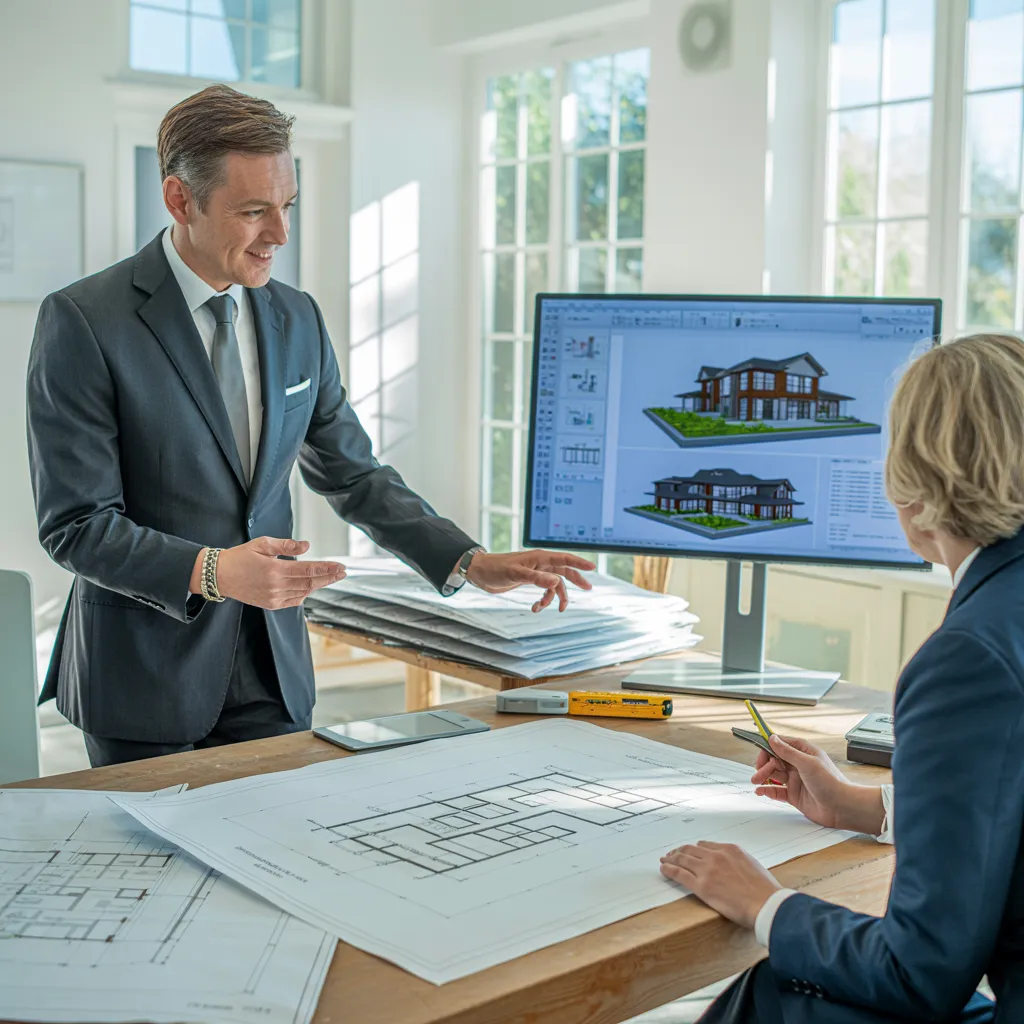
A trusted general contractor plays a pivotal role in turning architectural plans into physical structures. By overseeing timelines and budgets, they guarantee projects run efficiently. Their expertise fosters a collaborative environment, key for minimizing risks. However, not all contractors are created equal. Understanding how to identify the right one is crucial for any successful project. What key qualities should one look for, and how can they affect the overall outcome?
What Techniques Help You Recognize a Reputable General Contractor?
In what way can a person assess the trustworthiness of a general contractor? Assessing a contractor's reputation is essential. A efficient approach entails obtaining recommendations from friends, family, or online reviews, which provide information into previous work and patron happiness. Moreover, verifying credentials and coverage protection confirms that the contractor follows sector requirements and protects against potential liabilities. Reviewing completed projects, either via portfolio samples or site visits, enables someone to measure the standard of their craftsmanship.
Furthermore, collecting various estimates supports evaluation of costs and project timelines, bringing to light any discrepancies that may demonstrate unreliability. Effective communication is also crucial factor; a trustworthy service provider should be responsive and clear in their interactions. Finally, verifying references can provide valuable insights about a service provider's work ethic and reliability. By following these steps, one can make informed decisions when selecting a general contractor for building undertakings.
Key Features of an Outstanding General Contractor
A superior construction expert possesses essential qualities that validate project success. Excellent communication abilities facilitate clear dialogue with stakeholders, construction partners, and material providers, while solid background in project administration guarantees timely and budget-conscious delivery. These attributes are essential in converting concepts into tangible results.
Powerful Verbal Expertise
While solid project management is crucial for a general contractor, robust communication abilities often serve as the cornerstone for fruitful partnerships. These competencies allow a contractor to articulate project goals clearly, guaranteeing that all team members and stakeholders are aligned. Strong communication builds trust, allowing for transparent discussions concerning timelines, budgets, and changes. A good general contractor actively listens clients, subcontractors, and suppliers, handling issues promptly and adapting to feedback. This two-way dialogue not only improves issue resolution but also creates a positive working environment. Additionally, clear communication minimizes misunderstandings, which can lead to costly delays or errors. Ultimately, strong communication skills empower a general contractor to manage obstacles effectively, guaranteeing that projects progress smoothly from inception to completion.
Verified Project Management Competence
Proving established project management experience is necessary for any general contractor aiming to achieve success. Effective project management involves precise planning, resource allocation, and timeline adherence. A seasoned contractor exhibits the ability to coordinate multiple teams, ensuring that architects, engineers, and subcontractors cooperate efficiently. Additionally, they skillfully handle challenges, applying problem-solving skills to keep projects on find now schedule and within budget. Their experience allows them to foresee potential problems, mitigating risks before escalation. Furthermore, strong project management encourages transparency, keeping clients informed throughout the construction process. By emphasizing quality control and maintaining safety standards, a general contractor with established experience delivers not only excellent results but also builds enduring relationships founded on trust and reliability.
The Advantages of Engaging a Trustworthy General Contractor
Engaging a reliable building contractor delivers considerable perks in any construction project. Their expertise and experience guarantee that activities are executed to exceptional quality, while also boosting productivity and financial savings. This combination permits homeowners and businesses to focus on their objectives without the stress of project management.
Expertise And Background
Engaging a trustworthy general contractor delivers a rich source of proficiency and experience to any construction project. Their in-depth knowledge of building codes, regulations, and industry standards guarantees that every aspect of the construction process is aligned and efficient. Seasoned contractors have refined their skills through many projects, allowing them to anticipate potential challenges and formulate effective solutions. Their solid relationships with subcontractors and suppliers further elevate the quality of work and materials used. Additionally, a proven general contractor exhibits strong project management skills, managing timelines, budgets, and resources smoothly. This expertise not only lowers risks but also builds a collaborative environment, turning a client’s vision into a physical reality while preserving high standards throughout the construction journey.
Time and Price Efficiency
A dependable general contractor greatly enhances efficiency in time and cost during construction projects. They coordinate different subcontractors and suppliers to optimize workflows, reduce delays, and make sure tasks are finished on time. Having strong relationships in the industry often results in better pricing for materials and labor, which lowers total project costs. Additionally, a skilled contractor proactively identifies potential issues, allowing for timely solutions that prevent costly setbacks. Their skill in project management facilitates effective allocation of resources, guaranteeing efficient use of labor and materials. In the end, employing a trustworthy general contractor speeds up project timelines while protecting the budget, giving clients peace of mind and assurance in their investment.
Enhancing Your Assignment With a Contractor
Effective project management often relies on the competence of a general contractor. By acting as the central coordinator in the construction phase, a general contractor administers various aspects of the project, ensuring seamless communication among subcontractors, suppliers, and clients. This connected approach minimizes delays and reduces the possibility of miscommunication, which can lead to costly errors.
A general contractor optimizes the process by establishing well-defined timelines and schedules, allowing all stakeholders to stay aligned with project milestones. They also have the expertise to foresee challenges, enabling preventative problem-solving. Furthermore, they handle inspections and permits, reducing the load on customers and guaranteeing adherence with local codes.
Ultimately, the contribution of a competent general contractor turns complex projects into handleable responsibilities, allowing homeowners and developers to focus on their vision while appreciating peace of mind throughout the construction process. This alliance fosters a more optimized and successful project outcome.
Top 5 Problems to Stay Away From When Appointing a Contractor
How can homeowners guarantee they choose the right contractor for their project? Avoiding common pitfalls is crucial. First, homeowners should avoid choosing a contractor solely based on the lowest bid. Quality often comes at a price, and a low estimate may suggest inadequate experience or hidden costs. Second, failing to check references can lead to selecting someone untrustworthy or unreliable. Third, neglecting to verify licenses and insurance can expose homeowners to legal and financial liabilities. Fourth, not reviewing project timelines in detail may result in unexpected delays and frustrations. Ultimately, homeowners often overlook the importance of clear communication. A contractor who doesn't listen to concerns or provide updates can create misunderstandings. By steering clear of these mistakes, homeowners can enhance their chances of selecting a contractor who will effectively bring their vision to life.
Essential Points to Raise Before Entering Into a Contract?
What key points should homeowners evaluate before signing a deal with a contractor? To begin, they should ask about the builder's licensing and insurance status. Valid credentials guard homeowners from conceivable liabilities. Afterwards, requesting references and reviewing past projects can deliver insight into the contractor's reliability and construction quality. Homeowners should also address timelines—grasping the projected start and completion dates is vital for planning.
Additionally, clarifying payment terms is significant; homeowners must grasp the required deposit amount and the sequence for ensuing payments. Moreover, homeowners should question what will happen if unanticipated complications arise during the project, embracing change orders and how they will be handled. Finally, understanding warranty terms on both workmanship and materials can furnish peace of mind. By addressing these topics, homeowners can make informed decisions and establish a solid foundation for their venture.
Establishing a Strong Association With Your General Contractor
Forming a robust relationship with a general contractor can tremendously improve the overall journey of a home building or renovation project. Open communication is the basis of this association, encouraging reliability and openness. Homeowners should place emphasis on transparent dialogue, outlining needs, timelines, and budget constraints early in the stage.
Ongoing interactions and updates can help tackle issues promptly, verifying that both parties stay coordinated throughout the project. Additionally, recognizing the contractor's expertise can strengthen mutual respect and inspire a collaborative atmosphere.
Flexibility is also essential; understanding that challenges may arise can facilitate problem-solving and flexibility. A good relationship can lead to better work, as contractors are more inclined to invest extra time when they feel valued. Ultimately, a enduring relationship with a general contractor not only supports a successful project but can also create possibilities for future collaborations.
Common Queries Posed Frequently
In What Ways Do General Contractors Handle Unexpected Project Changes?
General contractors manage unexpected project changes by examining circumstances, consulting with relevant parties, revising schedules and cost estimates, and implementing solutions. Adaptability and analytical abilities are necessary in ensuring projects stay on track despite unexpected obstacles.
What Forms of Works Do General Contractors Ordinarily Control?
General contractors often administer a selection of assignments, comprising residential renovations, commercial construction, structural improvements, and bespoke installations. Their competence covers coordination, fiscal management, and scheduling, guaranteeing project fulfillment within heterogeneous construction types and difficulties.
How Do Payment Plans Work With a General Contractor?
Payment structures with a general contractor typically consist of upfront deposits, followed by progress payments dependent on project milestones. Final payments occur upon project completion, assuring both parties stay coordinated on financial commitments throughout the construction process.
Can a construction contractor Assist With Permits and Regulations?
A construction manager can indeed help with permits and regulations. They generally navigate local building codes, submit necessary documentation, and guarantee adherence to regulations, streamlining the process for clients and preventing costly regulatory problems.
What takes place if the undertaking goes over the Initial financial allocation?
If a initiative breaches the preset budget, the contractor typically communicates the reasons for the increase. They may offer adjustments, gain client approval, and explore money-saving choices to keep the endeavor on path.